Digital Literacy Is Becoming a Humanitarian Necessity
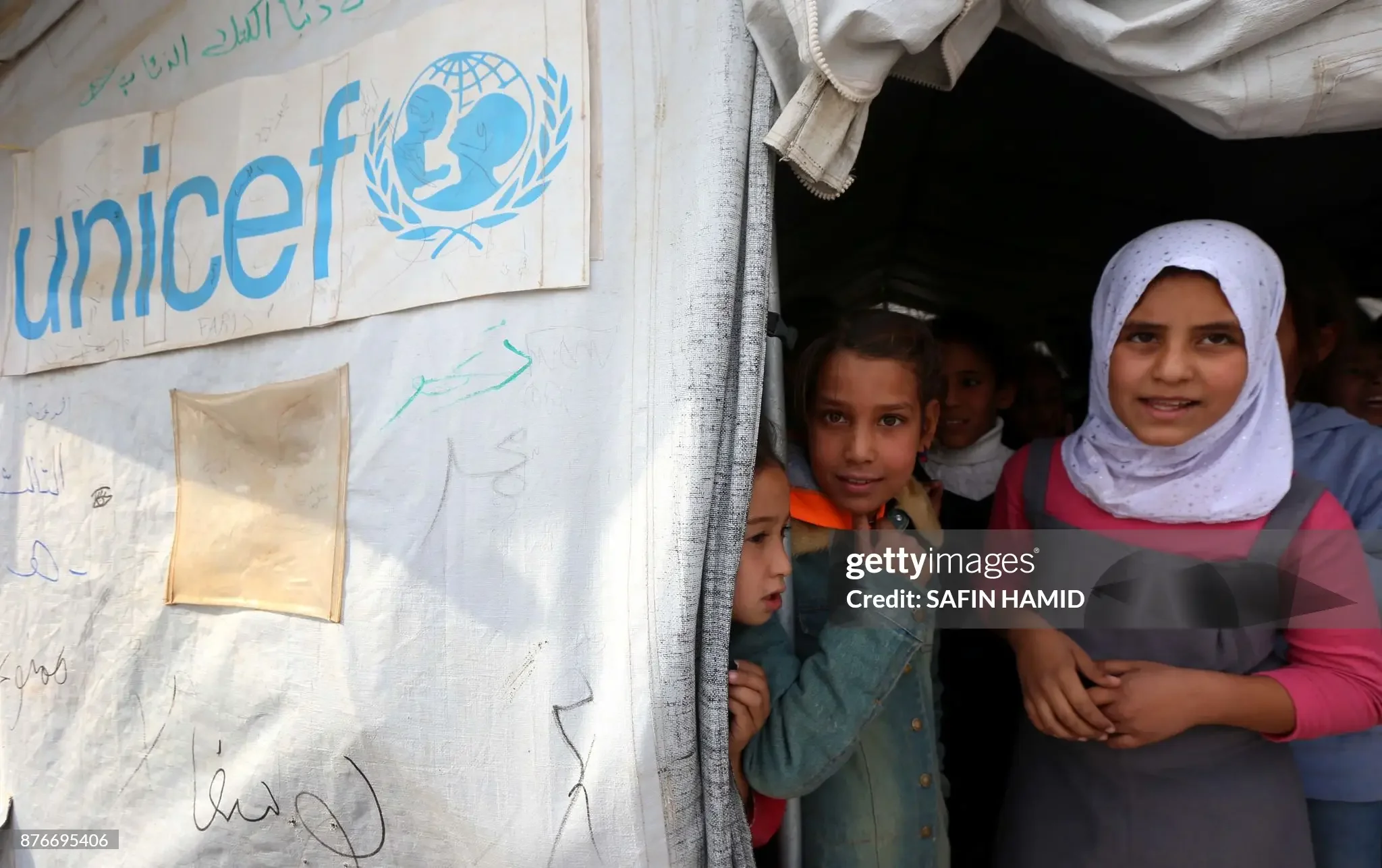
Displaced Iraqi children from the former embattled city of Mosul are seen at a United Nations Children's Fund school at the Hasan Sham camp, some 40 kilometres east of Arbil in northern Iraq, on November 20, 2017. Getty Images
Increasingly, the world of technology and the task of humanitarian work are crossing over. It can be hard to understand just how important digital literacy is until speaking with displaced communities, women escaping domestic violence, or sitting in meetings as a ‘tech-savvy’ person where important policies are being discussed and the solution might blatantly be the use of technology; but the standard is entrenched in what has worked before.
In 2026, not understanding the digital world can cost a person their income, identity, privacy, rights and accessibility to economic participation. The difference between knowledge or ignorance could be the difference in whether a refugee is able to acclimate in a new country, or an organisation is able to reliably coordinate aid efforts.
Digital literacy was once treated as a workplace or professional advantage, reserved for those who work in STEM, technology or digital businesses. Today, it is becoming essential for the everyday consumer to know, for personal security and economic participation, and equally as important for organisations around the world to operationalise.
What is digital literacy?
Digital literacy is the ability to access, understand, evaluate and use digital technologies safely, critically and effectively; not only knowing how to operate a device or simply using the internet for general purposes. This includes understanding data privacy and use, the basics of cyber security, and human or civil rights in digital services or platforms, where relative.
What this conversation often overlooks is that digital literacy remains a privilege. In conflict-affected and hostile regions (where it may also offer the greatest protection) access to the education, connectivity and resources required to develop it can be severely limited or entirely absent; sometimes even disrupted on purpose.
The threats facing vulnerable communities around the world are no longer only physical, elemental or political. The kind of exploitative threats that exist in 2026 include AI-powered fraud, identity theft, sophisticated phishing scams and financial scams, misinformation and the extraction of personal data by platforms people often use but rarely understand.
What must be understood about digital literacy is that it is not only defensive. It can also provide a pathway out of vulnerability; it can be a positive proactive force for good.
How the Jousour initiative in Iraq created a pathway to success for displaced, vulnerable communities
A real world example of this is the World Food Programme’s Jousour initiative in Iraq, which set out to provide digital skills with English, entrepreneurship and financial-inclusion training for displaced Iraqis, Syrian refugees and other vulnerable people. By November 2023, the wider program had trained more than 9,700 participants. Many of those participants went on to secure new job opportunities, freelancing opportunities and other means of income that would have otherwise been hard to establish.
This is what digital inclusion should make possible: not simply access to a device or platform, but the capacity to earn, communicate and rebuild economic agency even after something as devastating as displacement.
As financial services, employment and essential information move online, the stakes continue to rise.
The same applies to identity and privacy. People increasingly surrender biometric information, personal records, sensitive information and behavioural data without understanding where it is stored, who can access it or how it may later be used or exploited. For survivors of abuse, activists, displaced people and communities under authoritarian rule, this is not an abstract data concern. It can become a question of physical safety, sometimes even life or death.
Blockchain technology is an example of a technology that could be a force for good and actually provide a real advantage to humanitarian organisations who wish to be proactive in this digital-arms-race. Blockchain can strengthen transparency and accountability, but putting sensitive activity on an immutable public ledger can also create permanent risks, which is why the development of privacy-first solutions with blockchain are a paradigm shift and welcomed innovation.
The future lies in privacy-first systems and programmable privacy: technology that allows organisations to verify identity, eligibility or the delivery of aid without unnecessarily exposing the individual behind the transaction. Access to sensitive information can be deliberately limited according to context, consent and need.
This would allow humanitarian organisations to coordinate resources, distribute funds and demonstrate that aid reached its intended recipients while protecting the people they serve. Privacy must be designed into these systems from the beginning, because information considered harmless today may become dangerous after a regime change, conflict or displacement.
Humanitarian organisations, governments and technology companies must therefore treat digital literacy as essential infrastructure. This is the time to be proactive about education. Programs should teach people how to secure digital identities, evaluate online information, use financial tools safely, understand consent and recognise manipulation or exploitation quickly.
That education must be accessible in local languages and designed around the actual risks communities face.
The next digital divide will not simply separate those who have technology from those who do not. It will separate those who can question, navigate and benefit from digital systems from those most vulnerable to being exploited by them.
Digital literacy is no longer preparation for the future. It is protection, and opportunity, for the present.
